


In recent years, machine learning methods for scientific computing have attracted much attention. Many methods are a combination of machine learning and/or theories of physics and/or computational mathematics.
This conference aims to showcase the latest research in these areas, which have been fragmented while pursuing research in the same direction, to bridge the gap between them, and to promote collaboration.
The conference will comprise keynote and invited talks, tutorials, contributor talks and poster sessions. There will be a drinks reception as well as a conference dinner.
The conference schedule is available here: SCML 2026 Conference Schedule
Please note that only registered attendees will be able to access the conference sessions.
Thank you to everyone for their talk and poster submissions.
Registration is now closed.
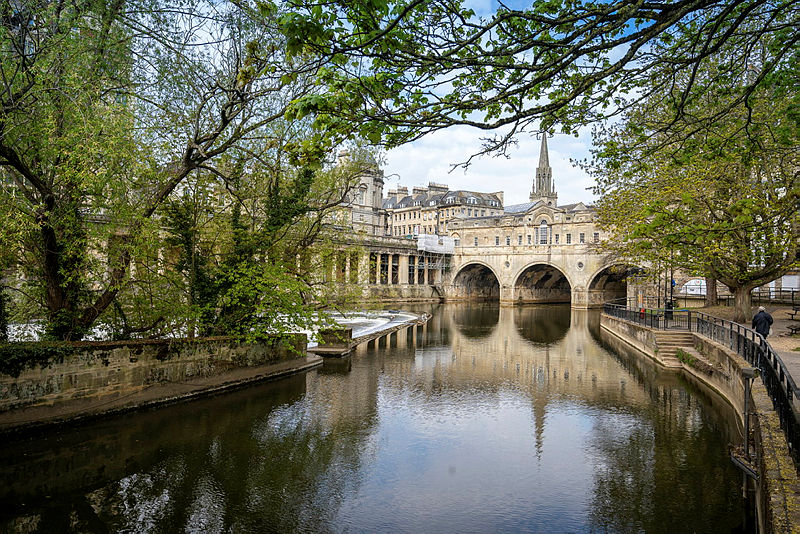
The conference will be held at the University of Bath on the Claverton Down campus. To find out more about the location of the campus and travel options, please visit our Travel advice page.
We are unable to offer on campus accommodation for this conference. There is a wide variety of accommodation available in Bath but it does get very busy, therefore we advise early booking. The campus is served by regular public transport from the city centre.
This conference is supported by EPSRC Programme Grant on the Mathematics of Deep Learning (Maths4DL), JST CREST Prediction Mathematical Foundation, Operator Learning Based on Geometric Classical Field Theory and Infinite Dimensional Data Science, and by JST ASPIRE Deep scientific computing: integration of physical structure and deep learning through mathematical science.
Please visit SCML2026 – International Conference on Scientific Computing and Machine Learning for further details


